Scenes from the Shahnameh — the 10th-century Persian epic by Ferdowsi, one of the longest poems ever written by a single author, and the foundation of Persian literary identity. Painting it in miniature enamel is a deliberate echo: the Shahnameh’s own manuscript tradition is one of illuminated miniatures, so this is a miniature art form rendered in another miniature art form.
Sources: JLC Press · SJX · Revolution · The Watch Pages — “Faridun Tests His Sons”
Click any piece to turn it over
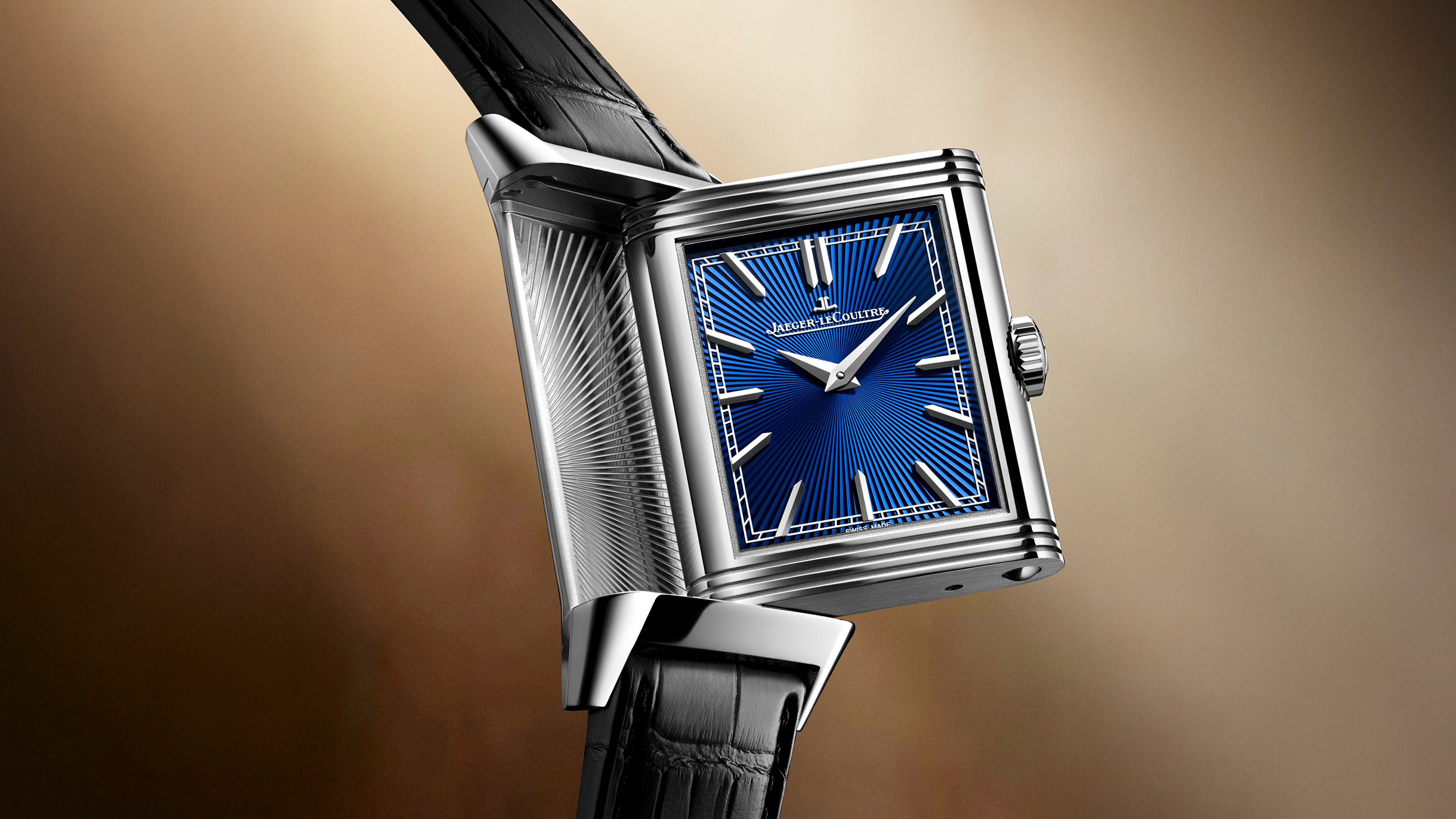
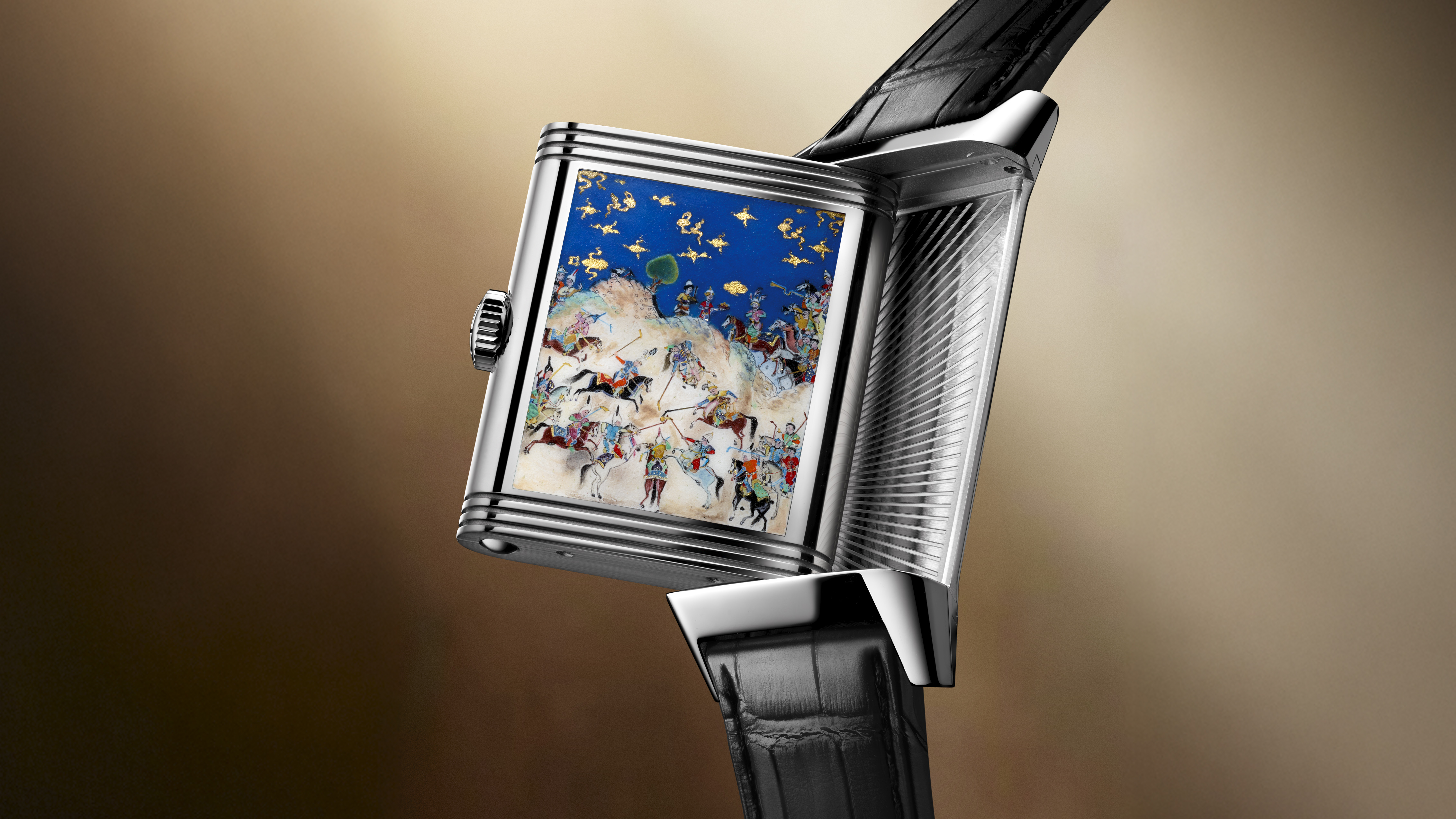
The one Shahnameh scene that shows polo directly: the rival Turanian king Afrasiyab challenges the Persian hero Siyavush to a match, and loses. A fitting subject for a Reverso, given the watch’s own origin on the polo field. Vivid blue Grand Feu enamel over a sunray guilloché dial (120 lines, 7 hours of engraving plus 8 of enamelling) echoes the sky in the painting.
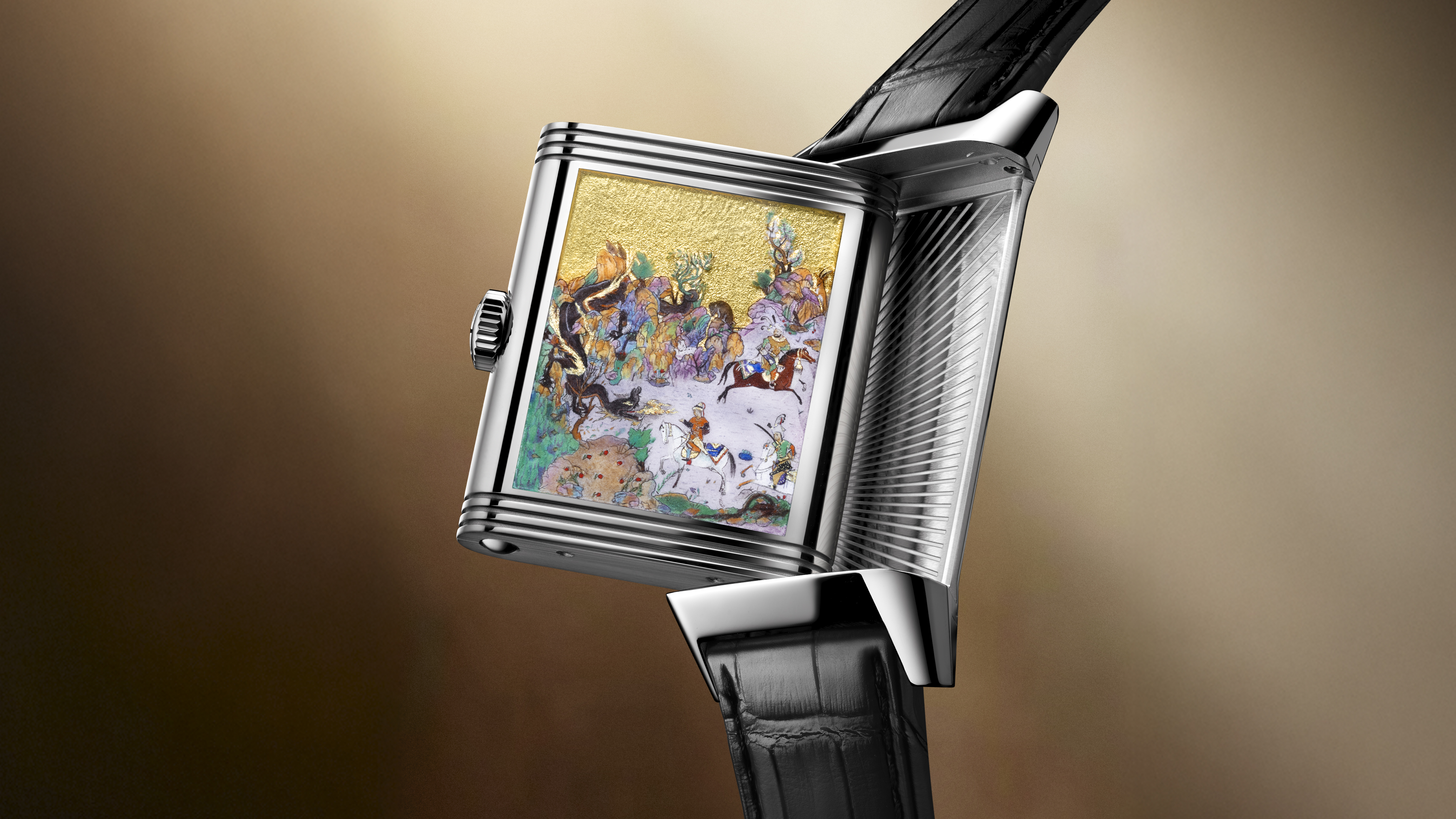
One of the epic’s central parables: the king Faridun disguises himself as a dragon to test the courage of his three sons before dividing his kingdom between them. Their reactions — flight, recklessness, and judgement — decide their inheritance and set the tragedy in motion. A herringbone guilloché dial (120 lines, 7 hours) in light blue Grand Feu enamel matches the landscape where the sons confront the dragon.
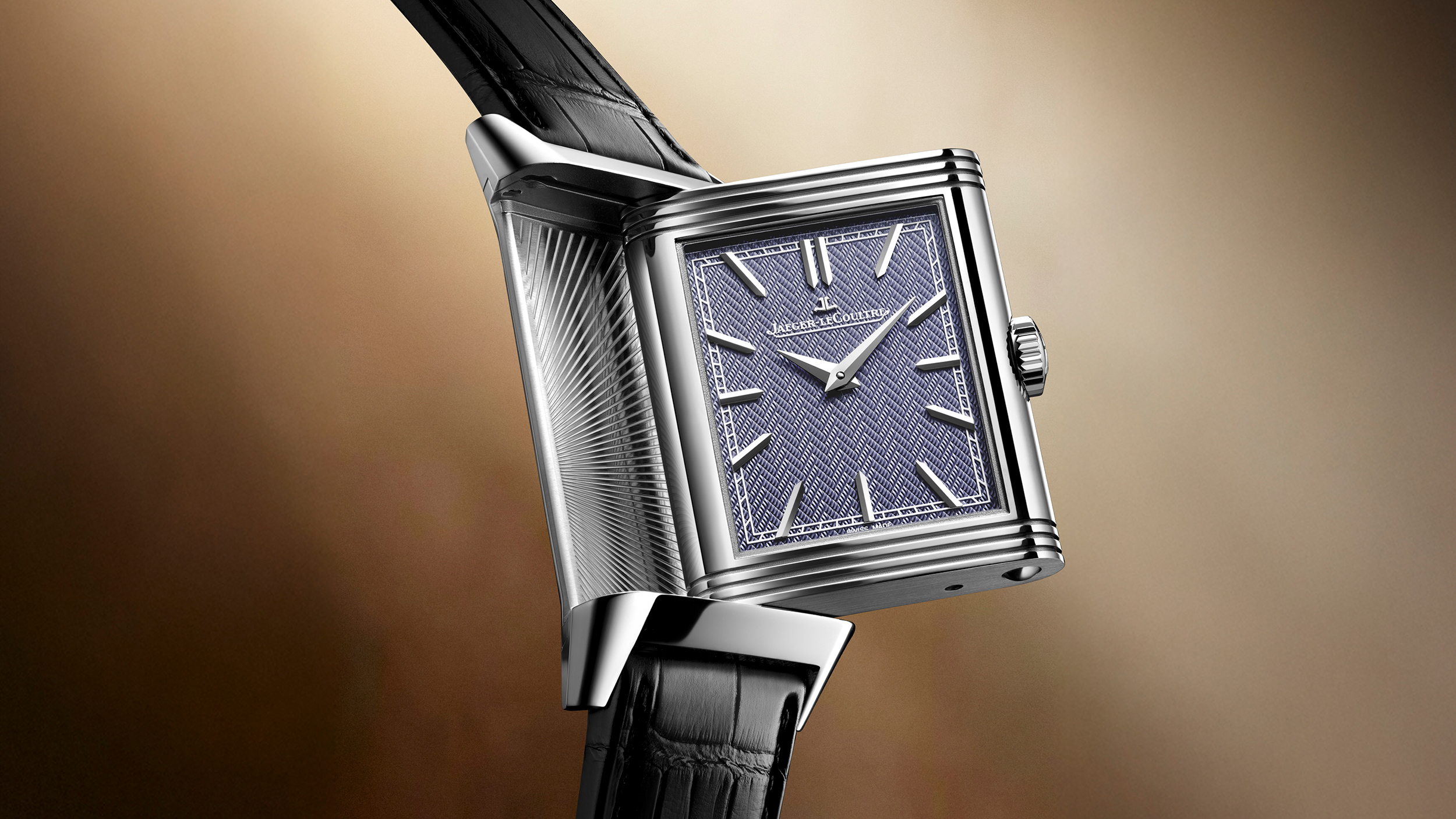
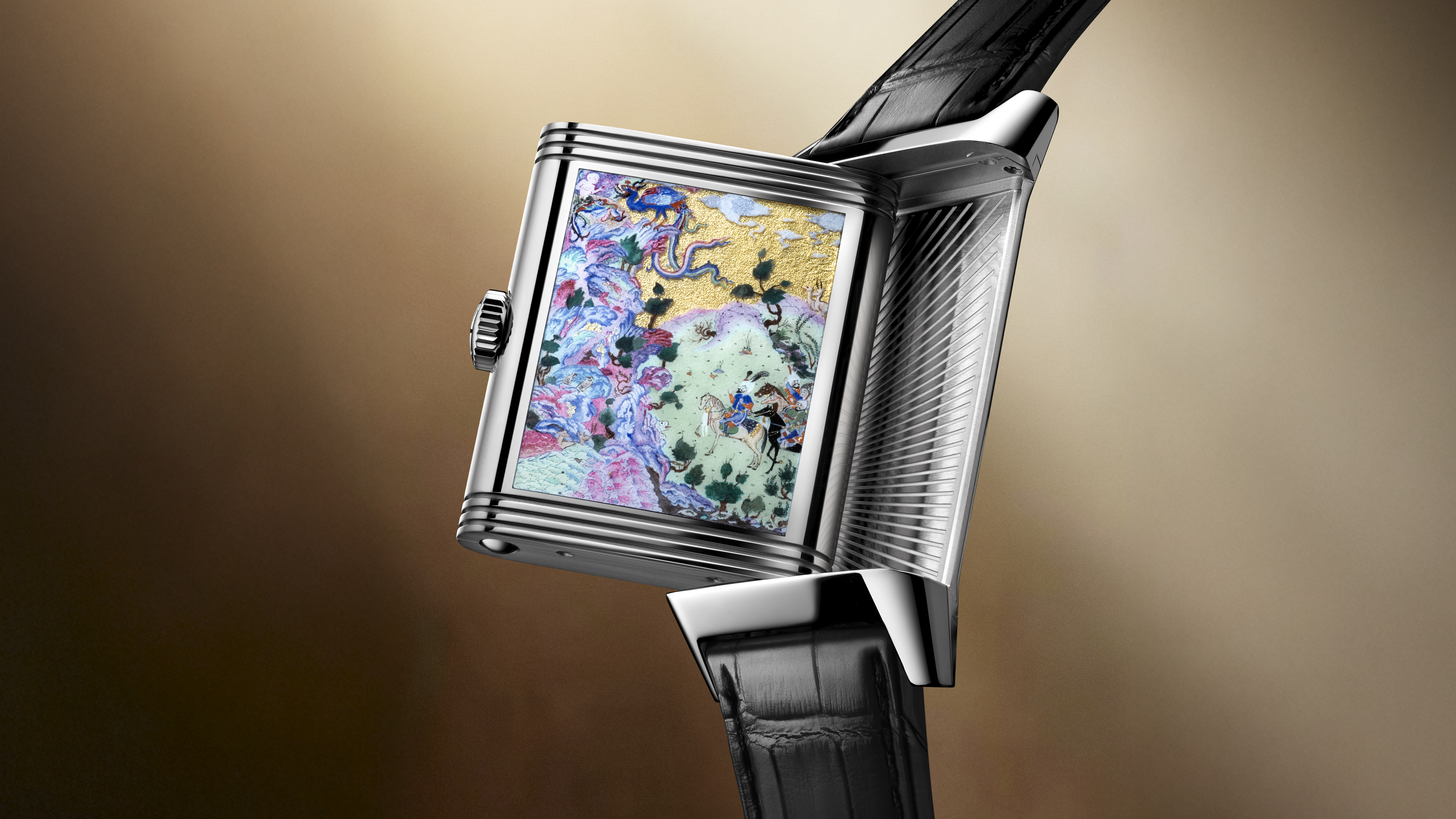
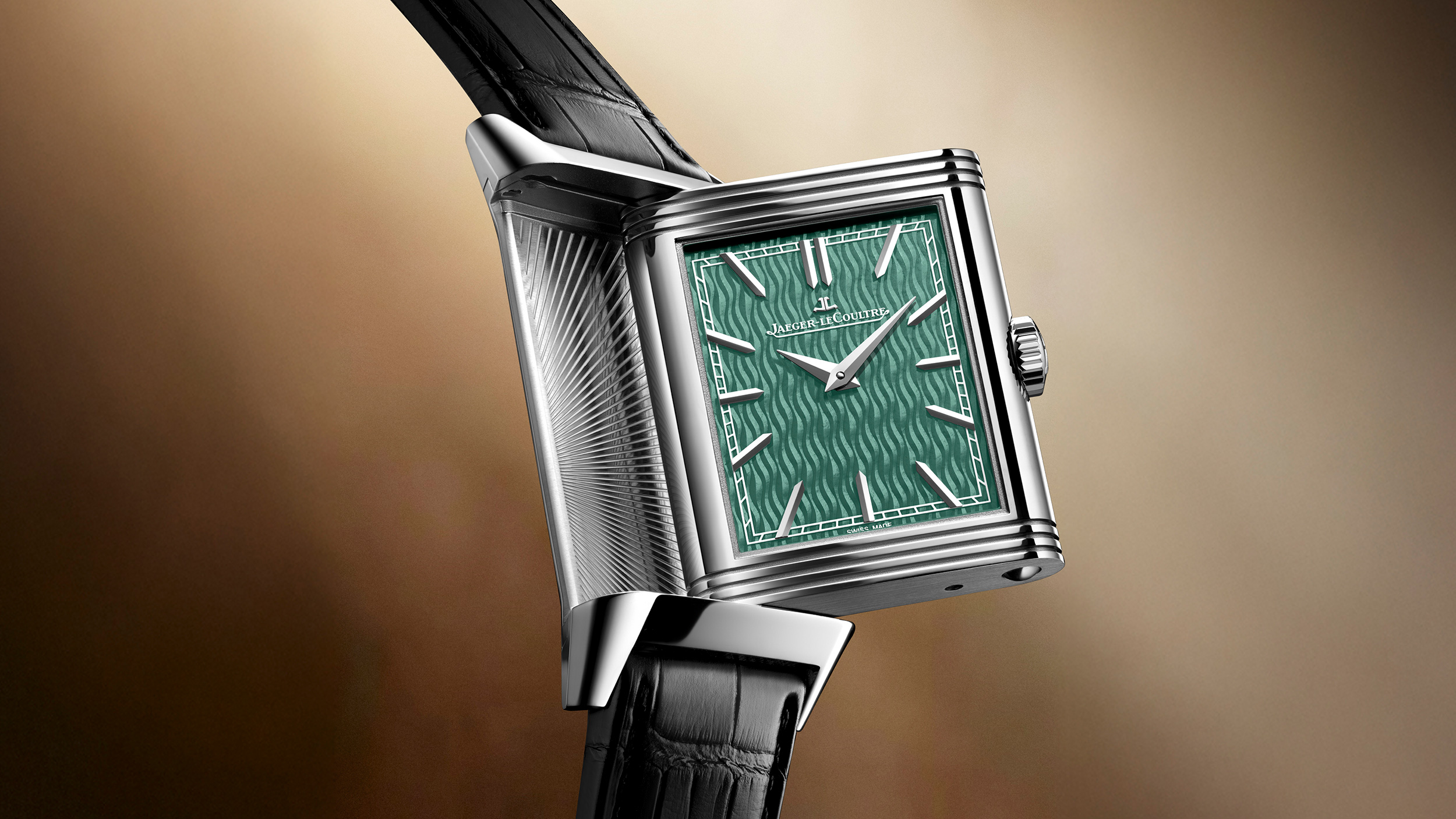
The warrior Saam abandoned his white-haired newborn son Zal on Mount Alburz, believing the boy demonically marked; the mythical bird Simurgh raised the child, and Saam later returned in regret to seek forgiveness and reclaim him. A wavy guilloché dial (32 lines, 7 hours) in translucent green Grand Feu enamel echoes the painting’s palette.
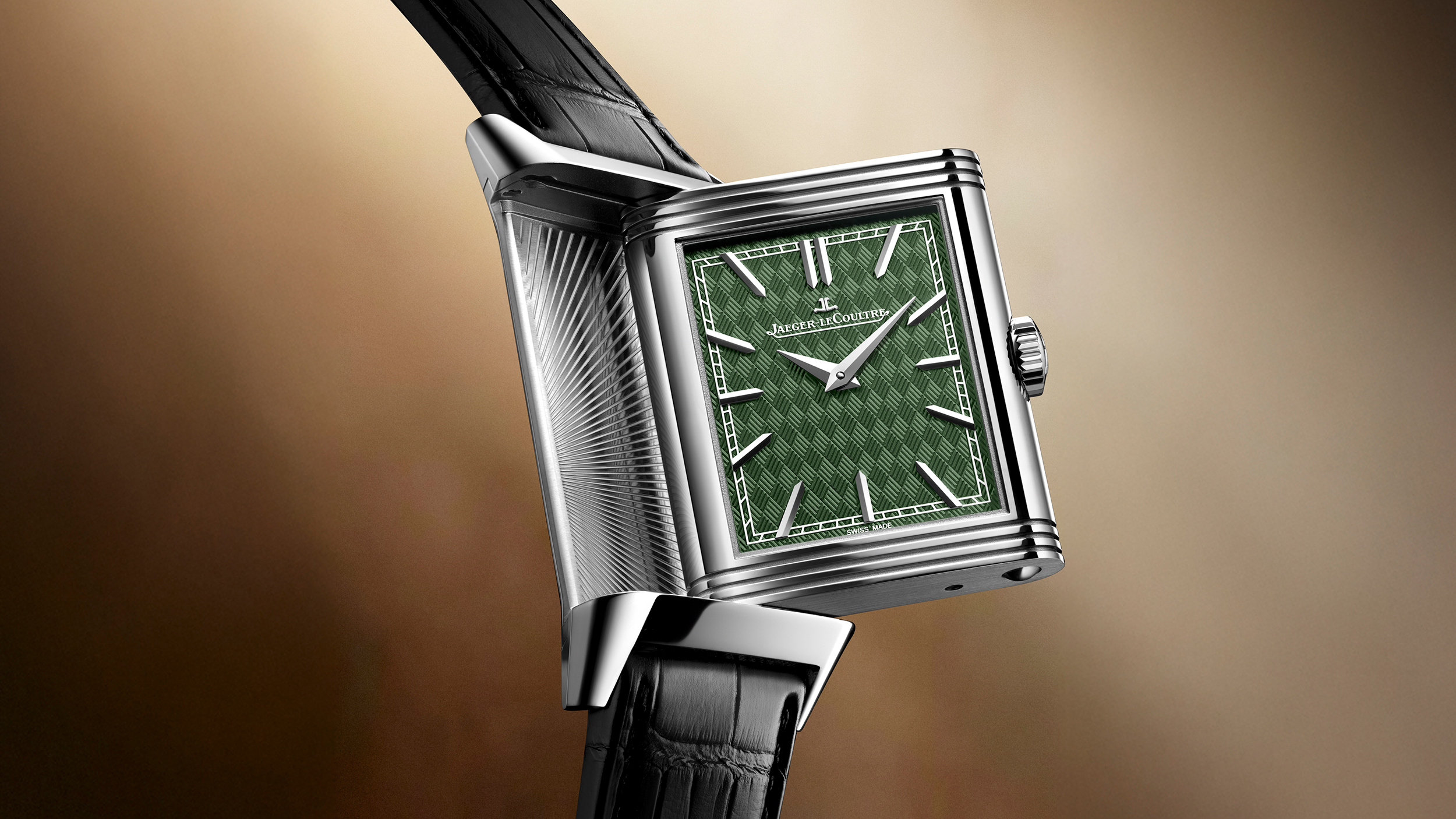
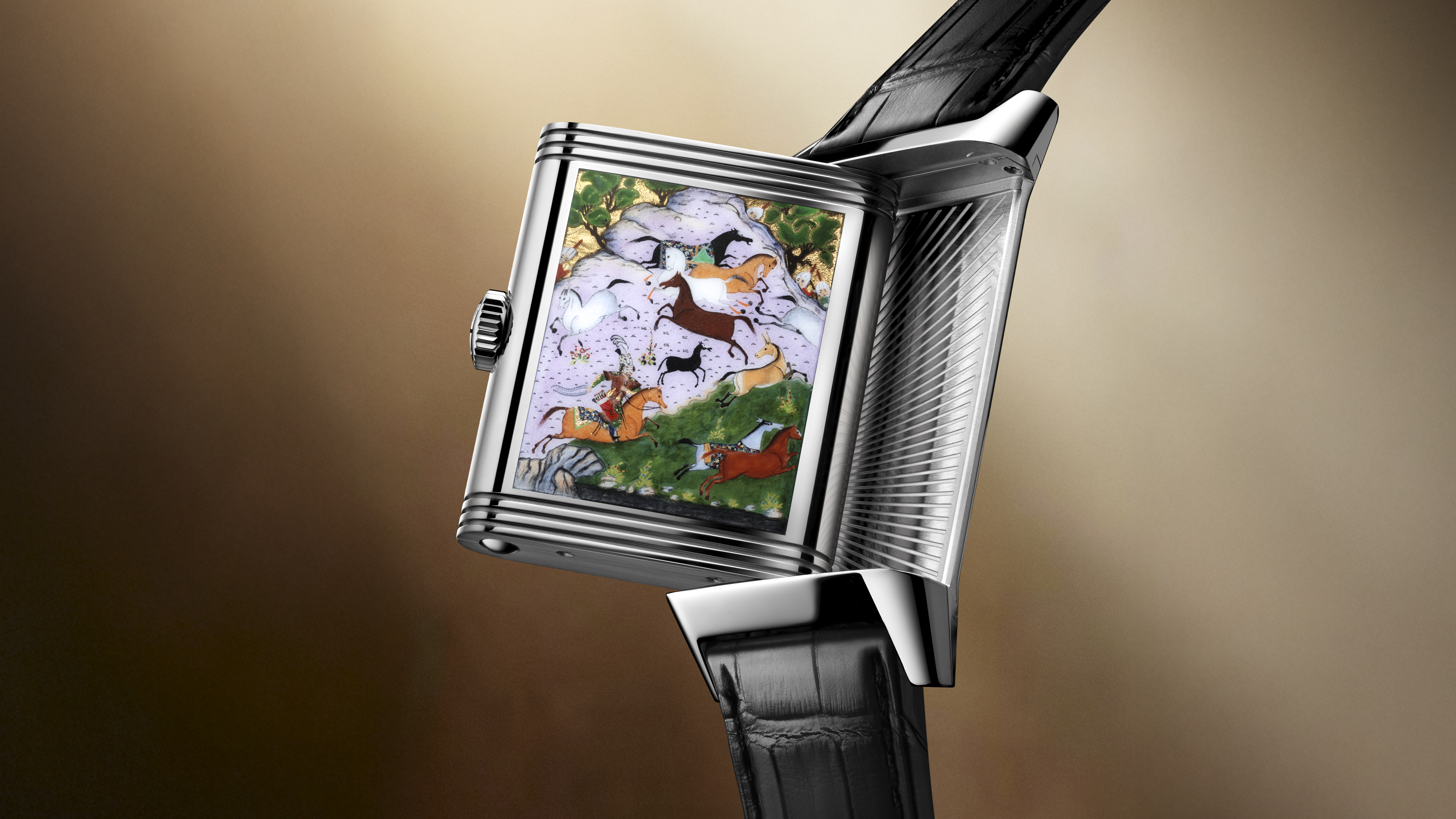
Rustam — son of Zal, grandson of Saam, the most celebrated champion of Persian folklore — is sent to slay a wild ass threatening the Shah’s horses. As his lasso touches its neck, the animal vanishes, revealing itself as Akvan, a demon in disguise. A lozenge guilloché dial (980 lines, 7 hours) in rich green Grand Feu enamel matches the painting’s vegetation.